 Foshan AMJ Windows and Doors Co., Ltd.
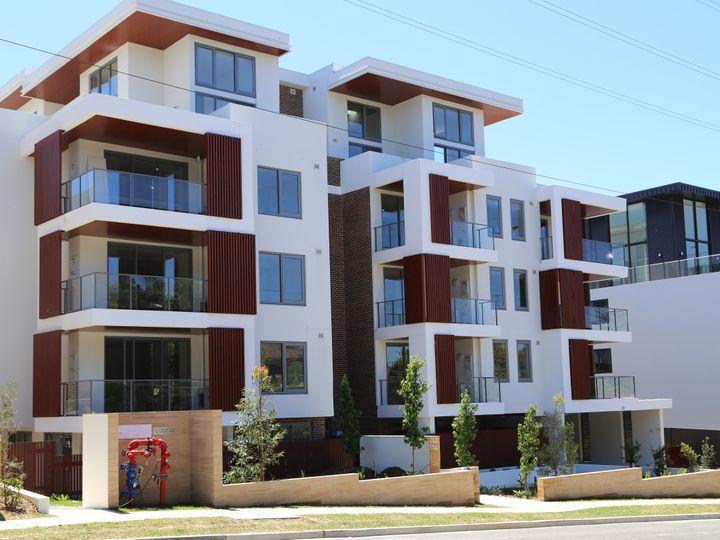
 Coastal homes place different demands on windows than properties farther inland. Salt air, strong sunlight, wind-driven rain and changing humidity can affect aluminum frames, glass, hardware and seals over time.
Choosing aluminum windows for coastal homes is therefore about more than frame color or window style. The glass configuration, surface finish, hardware material, drainage design and installation details all need to work together.
Well-specified coastal aluminum windows can provide wide views and natural light while helping reduce corrosion, water entry and unnecessary maintenance.
Quick Selection Guide for Coastal Aluminum Windows
| Window Component | Recommended Options | Why It Matters Near the Coast |
|---|---|---|
| Glass | Low-E insulated glass, laminated glass or tempered safety glass | Supports energy performance, safety, sound control and larger coastal views |
| Frame Finish | Project-specified powder coating, anodizing or PVDF/fluorocarbon finish | Helps protect the aluminum surface from salt air, moisture and strong UV exposure |
| Hardware | Corrosion-resistant locks, hinges, fasteners and rollers | Reduces rust and helps operable windows continue working smoothly |
| Sealing | Quality gaskets, weather seals and properly applied sealant | Helps manage wind-driven rain and air leakage |
| Drainage | Clear drainage channels and suitable sill design | Moves collected water away from the frame and interior |
Choose Glass for the Climate and Exposure
Coastal homes often have large windows facing the ocean, a bay or an open landscape. These openings can bring in excellent daylight and views, but they may also receive stronger sun, wind and rain.
Low-E insulated glass is a practical option for many residential aluminum windows because it can help limit heat transfer while maintaining a clear outdoor view. The exact glass configuration should match the local climate, window size and building orientation.
Laminated glass may be selected where additional safety, sound control or glass retention is important. Tempered glass is commonly used in areas where safety glazing is required, including certain low-level openings, bathrooms and doors.
Select a Finish Made for Coastal Exposure
Aluminum itself does not rust like steel, but the surface finish still matters in a marine environment. Salt deposits, moisture and UV exposure can affect appearance and make cleaning more difficult if the finish is not suitable for the location.
Coastal aluminum windows may use powder coating, anodized finishes or PVDF/fluorocarbon coating, depending on the project specification, budget and desired appearance.
Dark colors such as black and charcoal remain popular for modern coastal homes, while white, gray and lighter finishes can work well with beach-style or contemporary architecture. Whatever color is selected, buyers should confirm the coating specification and approved color sample before production.
Pay Attention to Hardware and Fasteners
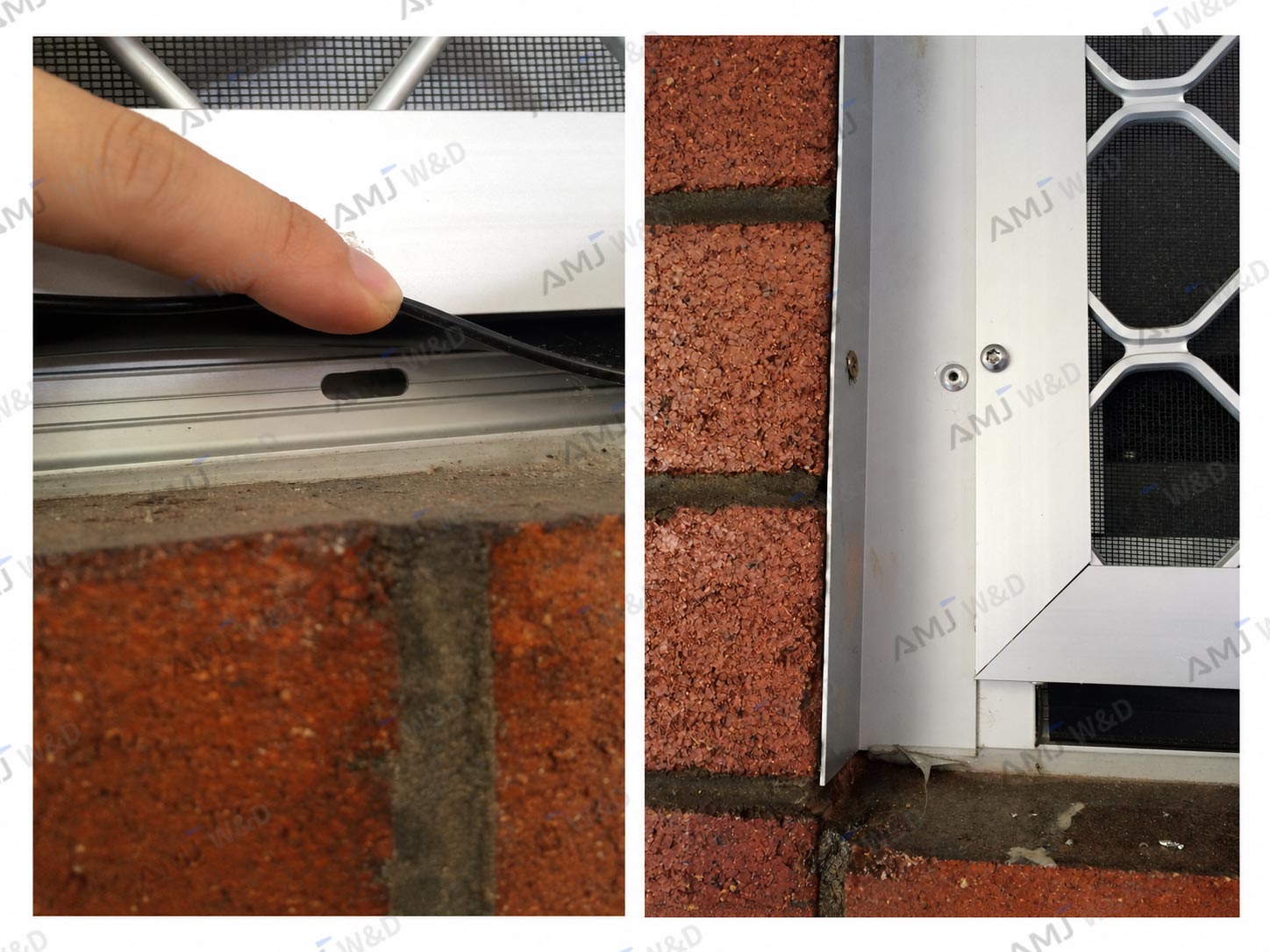
Window hardware is often more exposed than the aluminum frame. Locks, handles, hinges, screws and rollers can develop corrosion or become difficult to operate when unsuitable materials are used near salt air.
Corrosion-resistant hardware should be selected according to the distance from the shoreline and the severity of the environment. Stainless steel components are commonly considered for coastal applications, with higher corrosion resistance often preferred for more demanding marine exposure.
Sliding windows also need reliable rollers and clean tracks. Casement and awning windows depend on stable hinges, operators and locks. Regular rinsing and basic maintenance can help prevent salt buildup around moving parts.
Check Seals, Drainage and Water Management
Coastal rain is often driven by wind, so the window system needs more than a tight-looking frame. Gaskets, weather seals, sill design, drainage paths and installation sealant all affect how water is managed.
Drainage openings should remain clear, and the frame should be installed with the correct orientation and flashing details. Even a well-made aluminum window can perform poorly if drainage is blocked or the opening is not prepared correctly.
Builders and contractors should review the installation method together with the selected coastal window system before production begins.
Which Window Styles Work Well in Coastal Homes?
| Window Style | Typical Coastal Application | Points to Check |
|---|---|---|
| Casement Windows | Bedrooms, living rooms and areas needing strong ventilation | Hinges, operators, locks, exterior clearance and weather seals |
| Sliding Windows | Wide openings, patios and homes with limited exterior space | Track drainage, roller quality, screens and regular cleaning |
| Awning Windows | Bathrooms, kitchens and higher wall openings | Hardware corrosion resistance and controlled ventilation |
| Fixed Windows | Large coastal views and combination window walls | Glass thickness, frame support, sealing and installation method |
Maintenance Still Matters
Coastal aluminum windows should be cleaned more regularly than windows in a dry inland environment. Fresh-water rinsing can help remove salt deposits from frames, glass, tracks and hardware.
Tracks and drainage openings should be kept clear, while locks, hinges and rollers should be checked for smooth operation. The maintenance schedule will depend on how close the home is to the shoreline and how directly the windows are exposed.
What to Confirm Before Ordering
- Distance from the shoreline and level of salt exposure
- Window size, building height and wind exposure
- Low-E, insulated, laminated or tempered glass requirements
- Aluminum surface finish and approved color sample
- Hardware, fastener and roller materials
- Air, water and structural performance requirements
- Drainage, flashing and installation details
- Screen options and future maintenance access
The main point: The best aluminum windows for coastal homes combine suitable glass, a durable finish, corrosion-resistant hardware and proper water management. Focusing on only one of these areas can leave the rest of the window system vulnerable.
AMJ Custom Aluminum Windows for Coastal Projects
AMJ supplies custom aluminum casement, sliding, awning, fixed and combination windows for homes, villas, apartments and building projects.
Frame colors, glass configurations, hardware, screens and installation options can be customized according to project drawings and local requirements. Explore custom aluminum window systems for residential and project applications.
Planning a Coastal Window Project?
Send your drawings, window schedule or opening sizes. AMJ can help prepare a factory-direct aluminum window proposal based on the project location, glass requirements and preferred finish.
Get a Project Quote →