 Foshan AMJ Windows and Doors Co., Ltd.
 For builders and developers, the most useful way to specify glass is by function. Insulated Low-E glass is a practical starting point for many exterior openings. Tempered or laminated glass may be needed in safety locations, while privacy glass can be used where daylight matters more than a clear view.
That same logic applies to modern window glass design: start with how the room is used, then match the glass to the frame, opening size and project requirements.
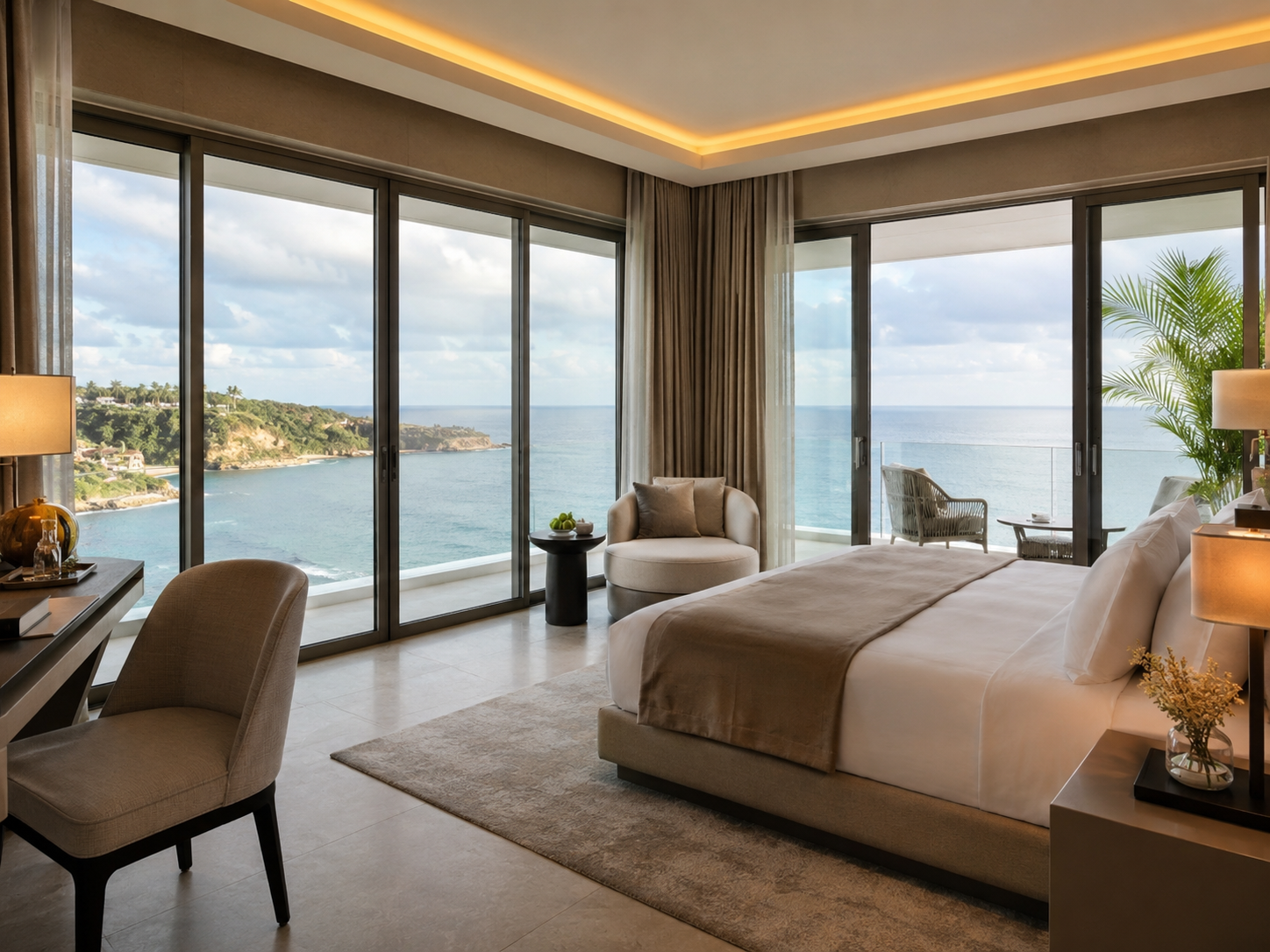
Which Glass Type Fits Which Project Need?
An insulated glass unit uses two or more panes separated by a sealed cavity. Low-E glass helps control heat transfer and solar performance. The final build-up should match the selected window or door system.
Tempered glass is commonly specified where safety glazing is required. Those locations should be identified on the project drawings before production.
Laminated glass uses an interlayer that helps hold broken glass together. It can be useful where the project requires a retained-glass safety strategy or another project-specific performance target.
Bathrooms, service areas and selected hotel spaces may need privacy without blocking daylight. For AMJ frosted film, the maximum sheet size is 5 m × 1.52 m. If both glass dimensions are above about 1.5 m, a visible splice may be required and should be shown before approval.
Real Glass Configurations Available for AMJ Aluminum Systems
| Application | Glass Configuration | Available IGU Thickness |
|---|---|---|
| Thermal-break casement / awning window option | 5 mm Low-E + 15 mm Argon + 5 mm tempered clear glass | Up to 39 mm |
| Higher-capacity casement / awning window option | 5 mm Low-E + 20 mm Argon + 5 mm tempered clear glass | Up to 47 mm |
| Selected triple-glazed window option | 5 mm Low-E + 12 mm Argon + 5 mm + 12 mm Argon + 5 mm tempered clear glass | System-dependent |
| Lift-slide door option | 6 mm Low-E + 20 mm Argon + 6 mm tempered clear glass | Up to 42 mm |
These are available AMJ configurations, not a universal recommendation for every opening. Glass choice still needs to match the product, panel size and project requirements.
How Large Can the Glass Be?
Large panes need to pass both area and edge-dimension limits. Checking area alone is not enough.
| Glass Build-Up | Maximum Area | Maximum Short Side for Fully Framed Glass |
|---|---|---|
| 5 + 12A + 5 mm | 3.3 m² | 1.6 m |
| 6 + 12A + 6 mm | 4.4 m² | 1.9 m |
| 8 + 9A + 8 mm | 6.6 m² | 2.4 m |
For large glass: final approval should consider pane size, glass weight, frame capacity and handling access together.
Applications
Hotel Guest Rooms
Start with insulated Low-E glass, then confirm acoustic targets, safety-glass locations, privacy needs and whether the room needs an operable sash.
Bathrooms and Privacy Areas
Use privacy treatment only where it is needed. Keep clear glass in view areas so the project does not lose daylight unnecessarily.
Large Fixed Windows and Lobbies
Large fixed panes need early size and weight review. Check the glass before treating the elevation as final.
Sliding and Lift-Slide Doors
Door glass is usually larger and heavier than typical window glass. Match the glass build-up to the door system instead of copying a window specification.
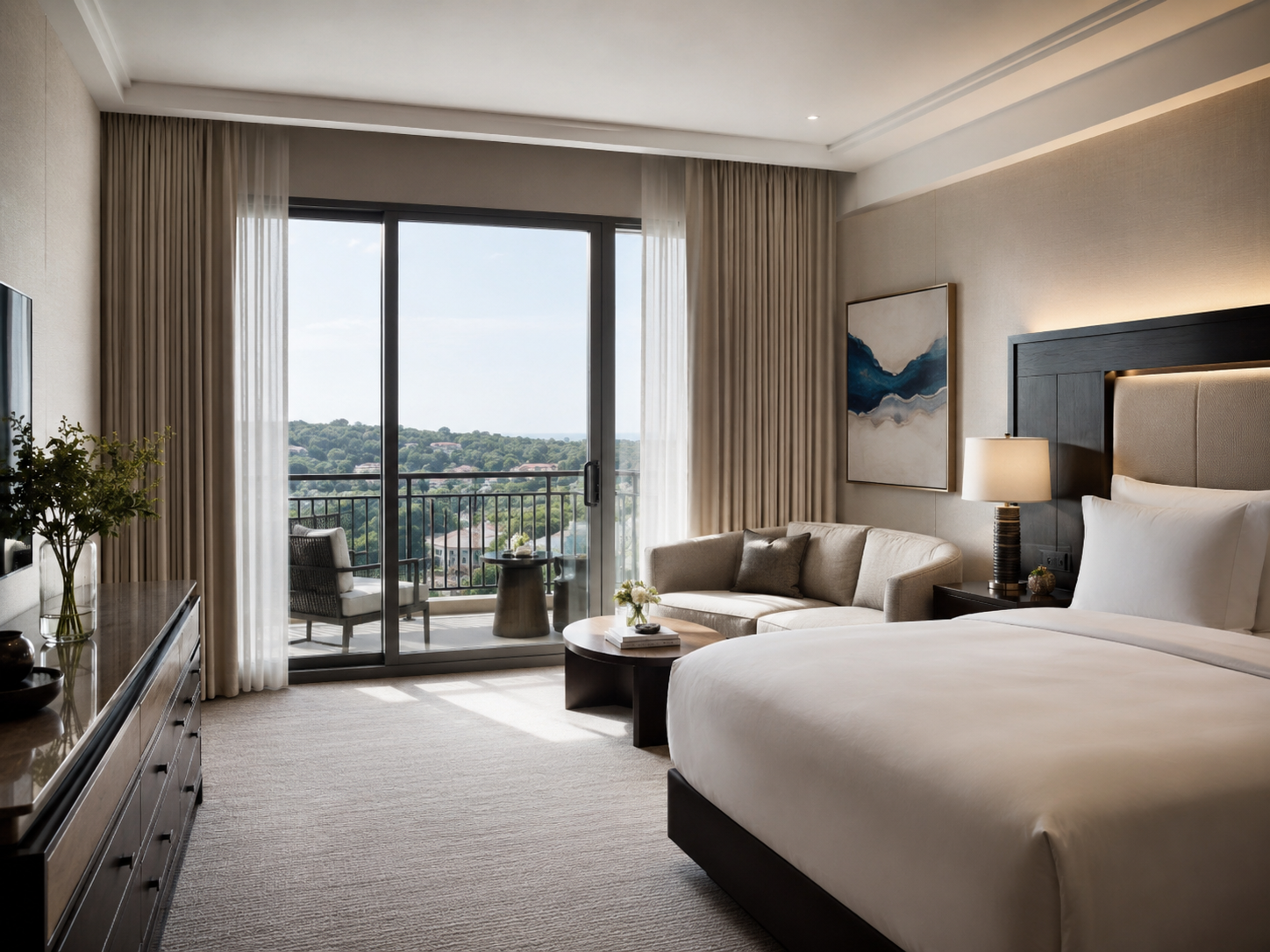
What Should Be on the Glass Schedule?
- Window or door mark
- Overall glass build-up
- Low-E requirement
- Tempered or laminated safety-glass requirement
- Privacy or frosted treatment
- Glass color or tint if required
- Opening size and panel dimensions
- Project performance requirements
FAQ
What is the best window glass design?There is no single best glass. The right choice depends on thermal performance, safety, privacy, view, panel size and the aluminum frame system.
What type of glass is best for hotel windows?For many exterior hotel openings, insulated Low-E glass is a practical starting point. Safety, privacy and acoustic requirements should then be added from the project requirements.
Can tempered and Low-E glass be used together?Yes, when the selected glass and fabrication route support the combination. Confirm the exact build-up before production.
Can large fixed windows use the same glass as small operable windows?Not automatically. Larger panes create different size and weight constraints, so the glass and frame should be reviewed together.
Send the window schedule, opening sizes, project location and performance requirements. AMJ can review the glass build-up together with the aluminum window or door system.