 Foshan AMJ Windows and Doors Co., Ltd.
 For builders and contractors, opening direction should be decided before the window schedule is approved. It affects more than the handle side. It can change curtain clearance, insect-screen location, access for cleaning and how the window interacts with walkways, balconies and landscaping.
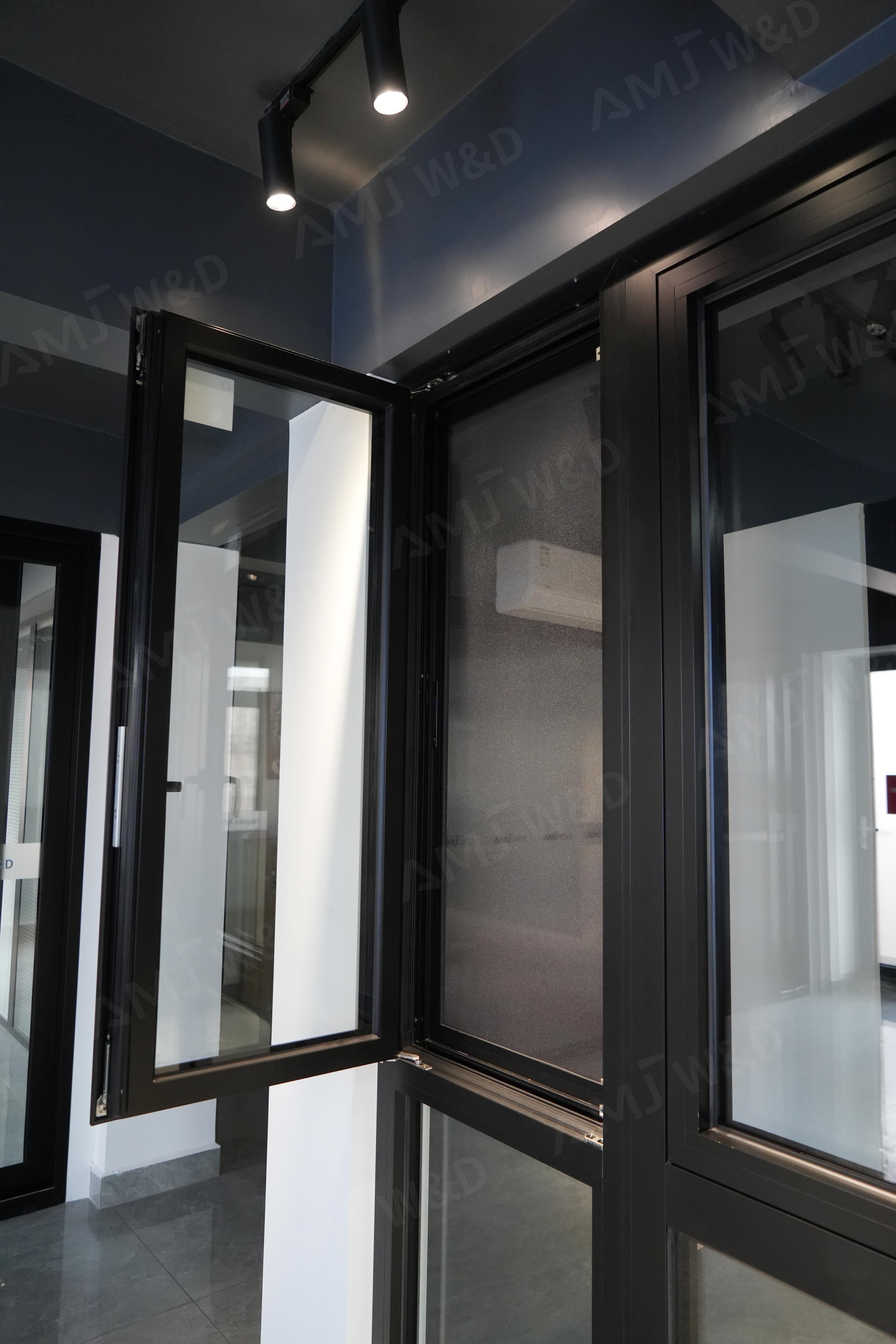
Inward vs. Outward Opening Windows at a Glance
| Project Question | Inward Opening | Outward Opening |
|---|---|---|
| Interior space | Needs clear room-side swing space. | Keeps the sash outside the room. |
| Exterior clearance | Useful where exterior walkways or obstructions are close to the opening. | Needs enough exterior space for the sash. |
| Cleaning | The outside glass is generally easier to reach from indoors when the sash opens fully inward. | Exterior cleaning access needs more planning, especially above the ground floor. |
| Screens | Screen placement is generally toward the exterior side. | Screen placement is generally toward the interior side. |
| Counters and furniture | Check that the sash will not hit furniture, faucets, blinds or deep sills. | Useful where interior swing space is limited. |
Important: “Inward opening windows” describes the direction, not one single window type. Inward opening casement windows and tilt-and-turn windows can both open into the room, but their operation is different.
When Inward Opening Windows Make Sense
An inward-opening sash can make the exterior glass easier to reach from inside. This is useful where exterior access would otherwise require more planning.
If a window faces a narrow balcony, exterior corridor or tight setback, keeping the sash inside can reduce conflicts outside the opening.
Some inward-opening systems also provide a top-tilt position. These are the windows that open inward at the top for controlled ventilation without fully swinging the sash into the room.
When Windows That Open Outwards Work Better
An outward-opening sash does not use interior swing space. That can make it easier to coordinate with counters, desks and furniture.
Because the sash moves outside, an insect screen can generally stay on the room side. The final screen type should still be confirmed with the selected aluminum window system.
Outward operation works best when there is no conflict with walkways, railings, landscaping or other façade elements.
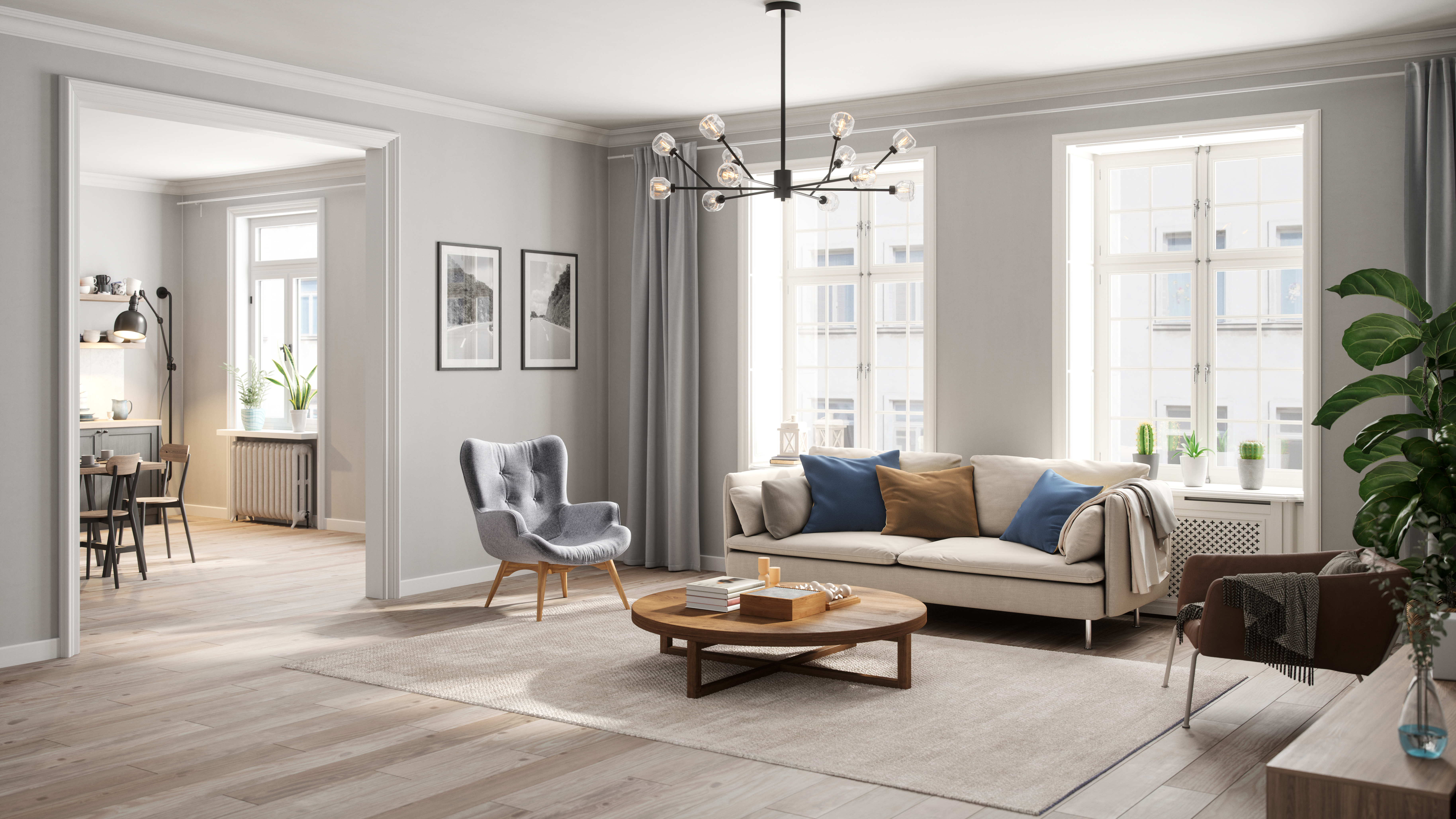
What Builders Should Mark on the Window Schedule
- Opening direction for every operable sash
- Handle side and hinge side
- Interior clearance from counters, furniture, curtains and blinds
- Exterior clearance from walkways, railings and landscaping
- Screen type and screen position
- Glass and safety-glass requirements
- Required project performance criteria
- Wall section and installation method
The main benefits of opening windows come from putting the right operation in the right room. A project does not need to use one direction everywhere. Bedrooms, kitchens, bathrooms and common areas can use different opening styles while keeping a consistent aluminum frame system.
FAQ
Should windows open inwards or outwards?It depends on the room and exterior conditions. Choose inward opening where cleaning access or exterior clearance matters; choose outward opening where interior swing space is limited.
What are inward opening windows called?They may be inward-opening casement windows or tilt-and-turn windows. The name should describe the actual operation, not only the direction.
Can casement windows open inward?Yes. Casement windows can be designed to open inward or outward depending on the selected aluminum window system.
What are windows that open from the top?Top-hung outward-opening windows are commonly called awning windows. Some tilt-and-turn windows also tilt inward at the top, but they use a different operating system.
Send your floor plan, elevations and window schedule. AMJ can review the room layout and opening direction before quotation and shop drawing approval.