 Foshan AMJ Windows and Doors Co., Ltd.
Which Window Is Better, Aluminum or uPVC?
Choose aluminum when frame design, customization and larger openings are priorities. Consider uPVC when the initial budget and standard residential configurations matter most. The right choice depends on the actual window system, glass, dimensions and project requirements—not just the frame material.
Aluminum Windows
Worth considering for modern architecture, slim-looking frames and customized window designs.
- Flexible frame and finish options
- Suitable for many custom configurations
- Thermal-break systems available
uPVC Windows
Worth comparing for standard residential openings where upfront cost is an important factor.
- Lower thermal conductivity of the frame material
- Often competitive initial cost
- Available in different residential styles
For homeowners, builders, contractors and developers, comparing aluminum vs uPVC windows means looking beyond the material name. This guide explains the practical differences, the limitations of each option, and how to compare quotations before ordering.
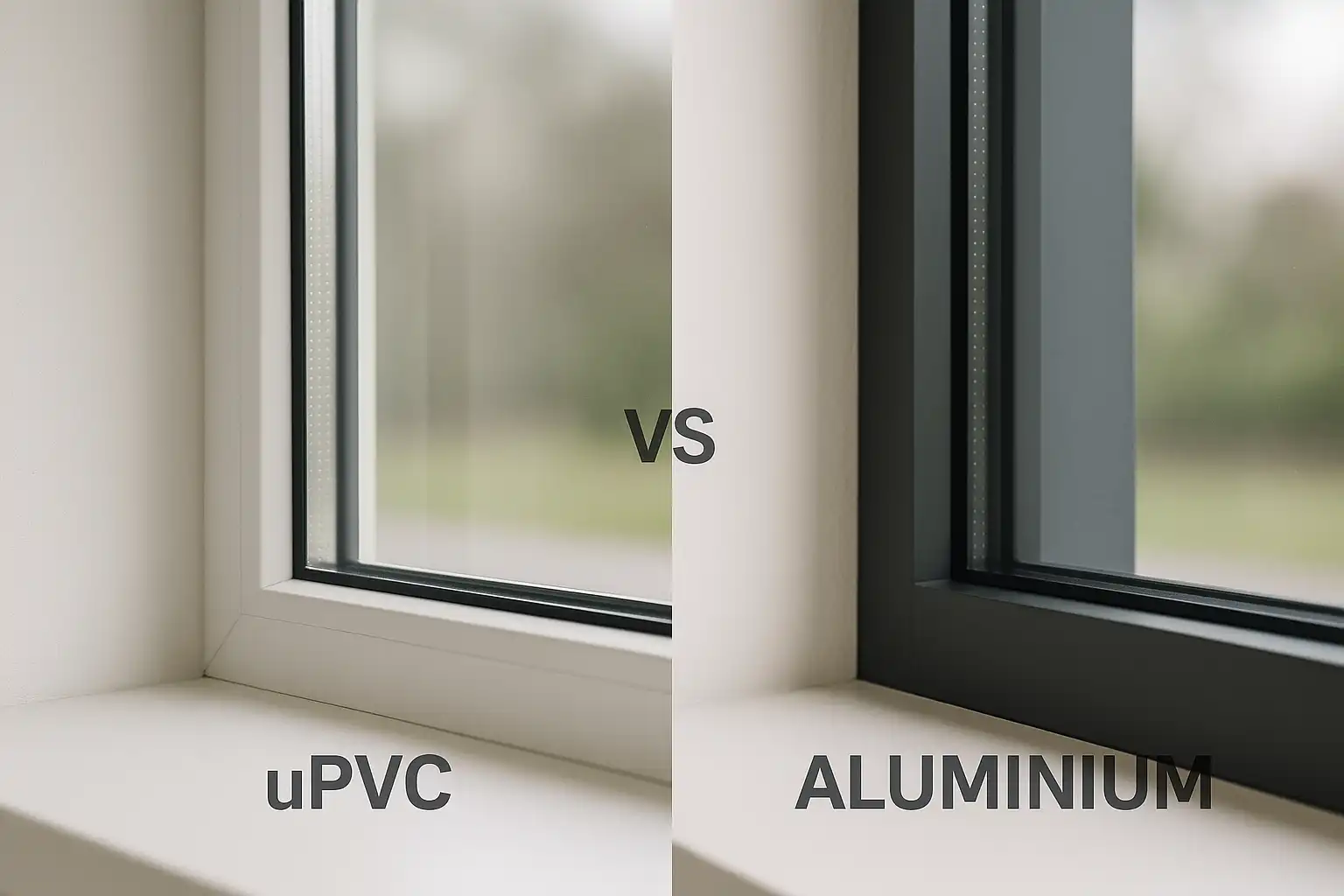
What Is the Difference Between Aluminum and uPVC Windows?
Aluminum windows use metal frames, while uPVC windows use rigid plastic profiles. The difference affects frame design, thermal conductivity, available finishes and the configurations a particular system can support.
Aluminum Windows
Aluminum is commonly selected for contemporary homes, apartments and multifamily developments. It can support slim-looking profiles and a range of customized configurations, subject to the selected system's structural limits.
Because aluminum conducts heat readily, energy-conscious projects should evaluate thermal-break construction, glazing, seals and whole-window performance together.
Explore AMJ's aluminum casement windows for an example of a thermal-break window system.
uPVC Windows
uPVC is an unplasticized PVC material used for rigid window profiles. In the United States, similar residential products are commonly marketed as vinyl windows, although the construction of different systems can vary.
The material has lower thermal conductivity than aluminum. However, whole-window energy performance still depends on glazing, profile construction, seals and installation.
AMJ also offers uPVC single-hung windows for buyers comparing residential window options.
Aluminum vs uPVC Windows: Key Differences
Aluminum is often worth considering for slim-looking frames and custom designs. uPVC is often worth comparing for standard residential configurations and budget-conscious projects.
| Comparison | Aluminum Windows | uPVC Windows |
|---|---|---|
| Initial Cost | May cost more depending on the system, finish and configuration. | Often competitive for standard residential products. |
| Frame Appearance | Can support slim-looking profiles and modern designs. | Profile proportions and available finishes depend on the system. |
| Large Openings | Can suit larger or customized designs when properly engineered. | Suitability depends on profile construction, reinforcement and system limits. |
| Thermal Performance | Depends on thermal-break design, glass, seals and installation. | The frame material has lower thermal conductivity than aluminum. |
| Colors & Finishes | Options depend on the finish system and supplier. | Options depend on the available profile and finish system. |
| Maintenance | Inspect the finish, hardware, seals and drainage. | Inspect the frame surface, hardware, seals and drainage. |
| Customization | Can accommodate a range of project-specific designs. | Depends on the available profile system and manufacturing options. |
Important: These are general material characteristics, not guaranteed product ratings. Confirm that the actual window meets the project's dimensional, energy, structural, air and water performance requirements.
Which Windows Are More Energy Efficient?
Neither material is automatically more energy efficient. uPVC has lower thermal conductivity as a frame material, while a properly designed thermal-break aluminum window can also meet demanding project requirements.
Whole-Window U-Factor
A lower U-Factor generally indicates better resistance to heat transfer. Compare ratings on the same basis and for the actual window configuration.
Solar Heat Gain
SHGC indicates how much solar heat enters through the window. The appropriate value depends on climate, orientation, shading and building needs.
Frame & Seals
Thermal-break design, glazing, spacers, weather seals and installation all influence the performance of the complete window.
What About Thermal-Break Aluminum?
A thermal break reduces the direct path for heat transfer through an aluminum frame. Its effectiveness depends on the system design and the complete window assembly.
When comparing aluminum and uPVC, ask for relevant whole-window performance documentation. Do not compare a glass-only rating with a whole-window rating.
Read AMJ's U-Factor, SHGC and Design Pressure guide for more information about the ratings builders should review.
What Is More Expensive, uPVC or Aluminum Windows?
uPVC windows often have a lower initial purchase price than comparable aluminum windows in standard residential configurations. The actual difference depends on the system, dimensions, glazing, finish, hardware, order quantity and delivery or installation scope.
A basic uPVC window and a customized thermal-break aluminum window may differ in more than the frame material. To make a useful comparison, ask suppliers to quote the same opening dimensions and equivalent performance requirements.
| Cost Factor | What Buyers Should Confirm |
|---|---|
| Dimensions | Are both quotations based on the same sizes and opening layouts? |
| Glass | Are the glazing configuration and performance requirements comparable? |
| Finish | Are the colors, surface finishes and customization requirements the same? |
| Hardware | Do both quotations include the required locks, handles, hinges and operating components? |
| Quantity | Are you comparing one replacement window or a complete project order? |
| Delivery & Installation | Are freight, delivery, removal, installation and finishing included? |
For B2B buyers: Compare the complete quoted specification, not just the unit price. The lowest initial quotation is not necessarily the best value if the product does not meet the project's requirements.
What Are the Disadvantages of uPVC and Aluminum Windows?
Both materials have limitations. The important question is whether those limitations affect your particular opening, design, climate or budget.
uPVC Windows
Not every uPVC profile is suitable for every size or design. Frame proportions, reinforcement, permitted sash dimensions and finish options vary by system.
For large or visually prominent openings, check the manufacturer's permitted sizes and the proposed frame dimensions before committing to the design.
Color and weathering performance should also be assessed against the manufacturer's specifications, particularly for dark frames in strong direct sunlight.
Aluminum Windows
Initial cost can be a consideration, especially when the project includes many standard openings. Compare the additional design options with the actual project requirements.
Aluminum conducts heat readily, so energy-conscious projects should evaluate the thermal-break design and whole-window ratings.
The finish, drainage, hardware and seals still need appropriate inspection and maintenance throughout the product's service life.
For either material, ask the supplier to confirm permitted dimensions, applicable test results, hardware configuration and warranty terms before production.
Which Material Is Better for Different Homes and Projects?
uPVC can suit standard residential openings where budget and available specifications align. Aluminum is often worth considering for modern designs, slim-looking frames and customized window configurations.
01. Budget-Conscious Homes
Compare uPVC and aluminum against the required specifications, installed cost and expected performance. Avoid choosing on unit price alone.
02. Modern Residential Designs
Aluminum is worth considering when slim-looking frames, coordinated finishes and a clean architectural appearance are priorities.
03. Large Window Openings
Review aluminum systems when larger glass areas or custom configurations are needed. Confirm engineering and permitted dimensions for the actual product.
04. Standard Bedroom Windows
Either material may work. Compare opening style, ventilation, energy ratings, cleaning access and applicable emergency egress requirements.
05. Townhouse Developments
Choose against the elevation design, repeated sizes, product specifications and total project budget. Different openings may have different needs.
06. Multifamily Projects
Prioritize consistent specifications, maintenance access, performance requirements, replacement planning and local building codes.
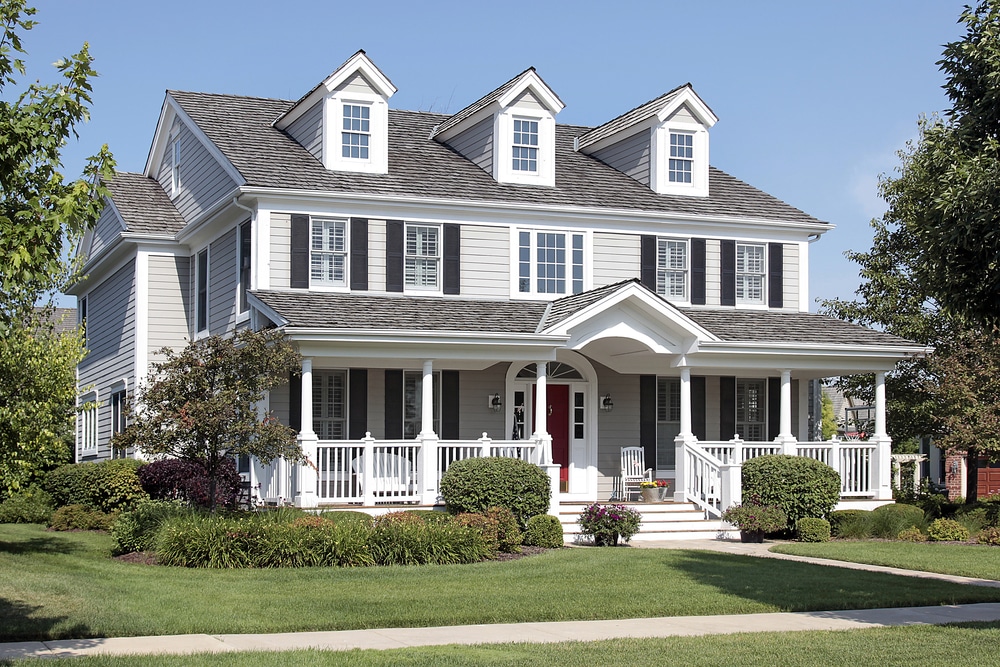
A project does not have to use one material for every opening. The important point is to select each window system against the drawings and specifications rather than applying one general material preference to the entire building.
You can review the AMJ project examples to see how aluminum windows and doors are used in different building applications.
How Should Buyers Compare Window Quotes?
Request quotations based on the same drawings, dimensions, glass requirements and performance criteria. Otherwise, a lower price may simply reflect a different product.
- Drawings and dimensions: Provide the window schedule, opening sizes and quantities.
- Opening style: Identify whether each window is single-hung, casement, sliding or another configuration.
- Performance requirements: Confirm the applicable energy, structural, air and water requirements.
- Glass specifications: Identify the required glazing configuration and safety requirements.
- Appearance: Confirm frame color, finish and architectural preferences.
- Commercial scope: Clarify packaging, shipping, delivery, installation responsibilities and warranty coverage.
A clear window schedule helps the manufacturer confirm product marks, dimensions, quantities and specifications before ordering. Read AMJ's window schedule guide for more information.
For customized products and project-based supply, buyers can also learn about AMJ's production process before discussing project requirements with the team.
Frequently Asked Questions
What is the disadvantage of uPVC windows?
The main limitation is that not every uPVC system suits every opening size, frame design or finish requirement. Check the profile, permitted dimensions, reinforcement and performance documentation before choosing it for a custom project.
Which is better for my home, uPVC windows or aluminum windows?
uPVC is worth considering when the initial budget and standard residential configurations are priorities. Aluminum is often a better fit for slim-looking frames, customized layouts or larger openings that the selected system can support. Compare the actual products before deciding.
What is more expensive, uPVC or aluminum windows?
Aluminum windows often have a higher initial price than comparable standard uPVC windows. The difference depends on dimensions, glass, finish, hardware, customization, quantity and delivery or installation costs.
Why is uPVC better than aluminum?
uPVC has lower thermal conductivity as a frame material and can offer a lower initial cost for some standard residential windows. However, aluminum may be more suitable for projects prioritizing frame appearance, custom configurations or larger openings.
Are aluminum windows energy efficient?
They can be, provided the selected system is designed for the required performance. Thermal-break construction, glazing, weather seals and installation all affect the result. Compare applicable whole-window ratings rather than relying on the material name.
Can uPVC and aluminum windows be used in the same house?
Yes. A project can use different materials for different openings if each selected system meets the design, performance and applicable code requirements. The decision should reflect the requirements of each opening and the overall project specification.
Choose based on the project, not the material label alone. uPVC is worth comparing for budget-conscious standard residential windows, while aluminum is worth considering for slim-looking frames, custom designs and openings that require a suitable engineered system.
For either option, confirm the window dimensions, whole-window energy ratings, glazing, hardware, finish, installation scope and warranty before ordering.
AMJ primarily supplies customized aluminum windows and doors for builders, contractors, developers, dealers and importers, and also offers uPVC single-hung windows. Our team can review your project requirements and help identify the relevant product specifications for quotation.
Planning a Window Project?
Share your drawings, BOQ or window schedule with AMJ to discuss window configurations, project requirements and quotation options.