 Foshan AMJ Windows and Doors Co., Ltd.
Should Aluminum Window and Door Frames Be Caulked Where They Meet Wood Trim?
Not always. A visible gap between an aluminum window frame and interior wood trim does not automatically mean the installation is defective. The important question is whether the hidden gap between the frame and wall has been properly sealed.
This issue often comes up in newly built homes. Windows and sliding doors are installed, but there is no visible caulk between the aluminum frames and timber reveals. The builder says this is normal, while the homeowner worries about air leakage and water damage.
To understand whether the installation is correct, you need to distinguish between the decorative trim joint, the structural installation gap and the exterior waterproofing system.
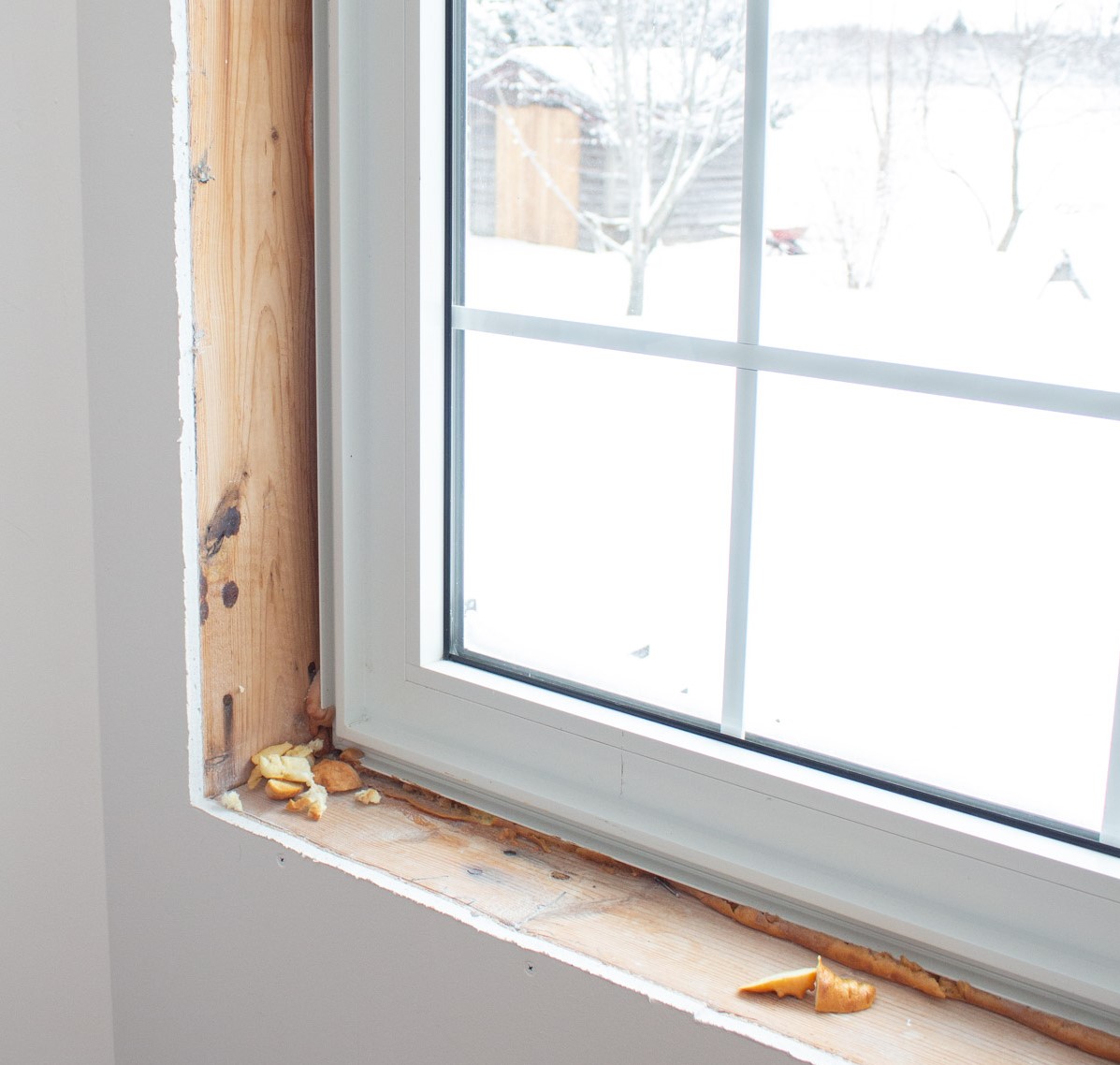
Does the Gap Between an Aluminum Frame and Wood Trim Need Caulk?
The visible trim joint does not always need caulk, but the gap between the window frame and structural wall opening needs an appropriate sealing detail.
There are three different connections to consider:
| Connection | Purpose | Does It Need Sealing? |
|---|---|---|
| Aluminum frame to wood trim | Interior finish and appearance. | Depends on the finish detail and installation design. |
| Frame to rough opening | Controls air leakage around the installed window. | Requires an appropriate air-sealing method. |
| Exterior frame to wall | Manages rainwater and protects the wall opening. | Requires a suitable flashing and water-management detail. |
For example, the installer may have sealed the rough opening before the carpenter fitted the interior trim. In that case, another visible bead of caulk may not be necessary.
However, if the gap exposes the wall cavity and there is no suitable air seal behind it, the installation should be investigated.
Where Should Aluminum Windows and Doors Be Sealed?
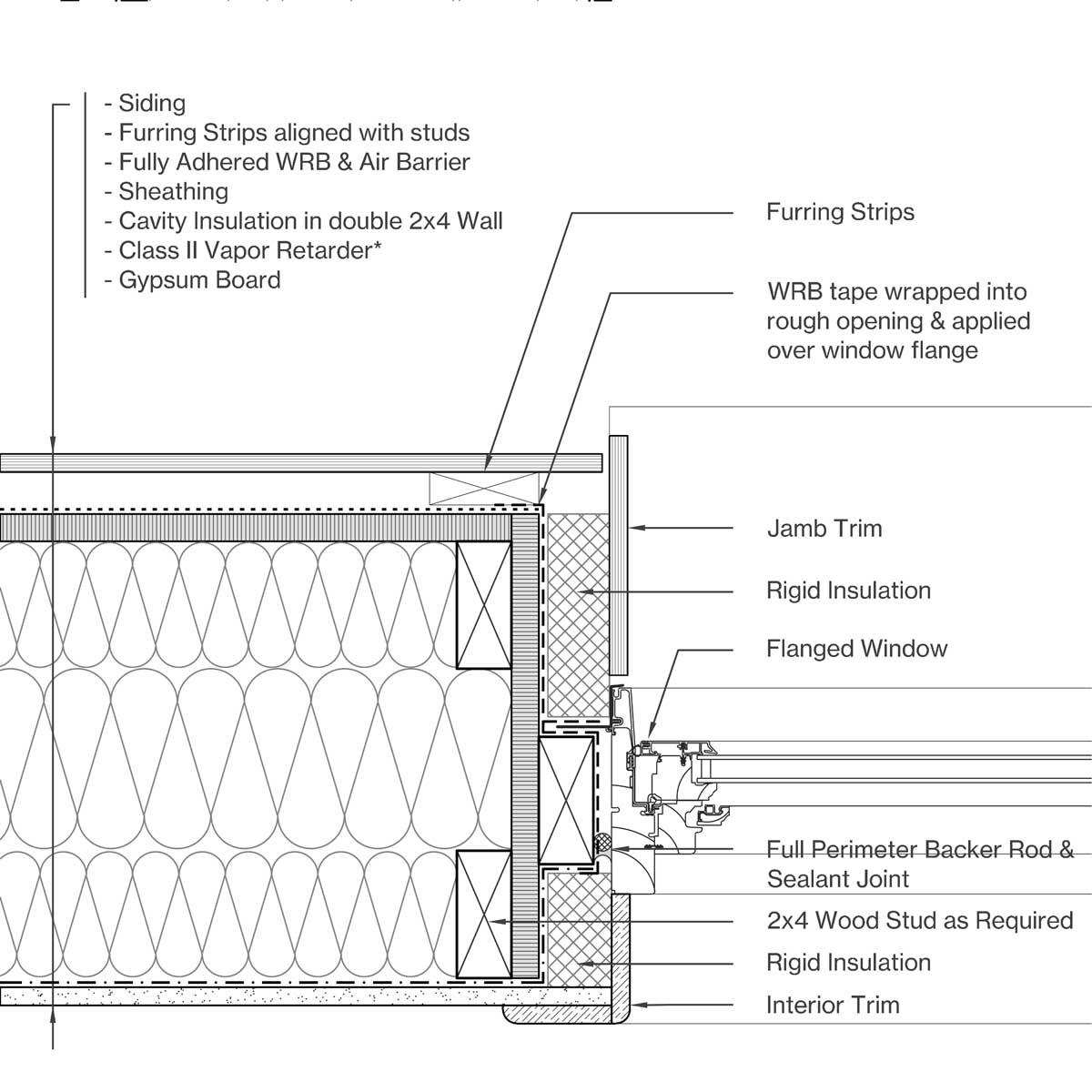
The main air seal belongs between the window frame and the rough opening. The exterior also needs a correctly designed system to prevent water from entering the wall and allow drainage.
Frame to Rough Opening
The space between the aluminum frame and wall framing should be sealed against uncontrolled air leakage. Suitable methods include backer rod with sealant or low-expansion foam designed for windows and doors.
In a drained wall assembly, the air seal is commonly placed toward the interior side. This helps control air leakage while allowing the exterior part of the joint to drain as designed.
The Building America Solution Center's window and door air-sealing guide explains these installation methods, including the use of backer rod and suitable foam.
Exterior Flashing and Water Protection
The exterior connection must direct rainwater away from the rough opening. This usually involves flashing tape, waterproof membranes and correctly designed drainage details.
In a typical membrane-based installation, the sill, side and head flashing must be connected in the correct overlapping sequence. The exact detail depends on the wall construction and window system.
Caulk should not be used as a substitute for flashing. Some exterior joints are designed to remain open so water can drain out.
Where Should You NOT Caulk Around Aluminum Windows?
Do not seal drainage openings, moving parts or joints designed to release water. Blocking these areas can cause water to collect inside the window or door system.
Weep Holes and Drainage Slots
Weep holes allow water inside the frame to drain outside. Keep them clear of silicone, paint, mortar and other materials.
Flashing and Drainage Outlets
Some exterior joints are part of the water-drainage design. Sealing them without understanding the installation detail can trap moisture behind the frame.
Sliding Door Tracks and Moving Parts
Do not apply caulk across moving sashes or sliding tracks. These areas must operate freely, and some tracks contain dedicated drainage channels.
What Materials Are Used to Seal Aluminum Window Frames?
The correct material depends on the location and size of the gap. A shallow finish joint and a deeper rough-opening gap require different solutions.
| Material | Typical Application | Important Detail |
|---|---|---|
| Flexible sealant | Specified joints between aluminum frames and surrounding materials. | Must be compatible with the frame and adjacent surfaces. |
| Closed-cell backer rod | Deeper joints that require controlled sealant depth. | Helps create the correct sealant profile. |
| Low-expansion window foam | Suitable gaps between the frame and wall framing. | Use foam specifically designed for windows and doors. |
| Flashing tape and membranes | Waterproofing around the rough opening. | Must follow the correct installation sequence. |
Ordinary expanding foam should not be used as a substitute for window-specific products. Excessive expansion can put pressure on the frame and affect window or door operation.
How Can You Tell If Aluminum Windows Are Not Sealed Properly?
Look for visible installation problems, signs of moisture and air leakage. If the condition is unclear, ask the builder for the installation details before assuming that the missing caulk is a defect.
Check the Visible Installation
Look for unusually wide gaps, exposed wall cavities, unfinished edges or damaged sealant. Also check for water stains, damp timber, peeling paint and noticeable drafts around the frame.
Ask for Installation Records
If the windows are in a new home, ask the builder or installer for:
- The window manufacturer's installation instructions.
- Details of the material used to seal the rough opening.
- Flashing and waterproofing details.
- Installation photographs taken before the interior trim was fitted.
These records can help establish whether the hidden sealing work was completed correctly.
Arrange an Inspection if Necessary
If there are drafts, water intrusion or signs of dampness, consider an independent inspection. A professional may use a blower door test to assess building air leakage or controlled water testing to investigate suspected water entry.
Is a Missing Caulk Bead a Construction Defect?
Not by itself. It may be an acceptable finish detail if the hidden air seal and exterior water-management system are complete. It may indicate a defect if required sealing work is missing or incorrectly installed.
If your new home is approaching the end of its liability or warranty period, take these steps:
- Take photographs. Record the gaps around affected windows and sliding doors.
- Contact the builder in writing. Ask how the rough openings were sealed.
- Request installation details. Ask for the relevant flashing and air-sealing information.
- Record any problems. Document drafts, water stains, damp timber or operating issues.
- Arrange an independent inspection. Do this if the builder cannot explain the installation or you suspect water or air leakage.
Important: Whether an installation qualifies as a construction defect depends on local building codes, the contract, manufacturer instructions and actual site conditions. If a deadline is approaching, raise your concern in writing and keep a record of the response.
Frequently Asked Questions
Should I Caulk Around My Window Frame?
Only where the installation or finish detail requires it. A visible interior trim joint may not need caulk if the rough opening has already been properly sealed.
What Happens If Windows Are Not Sealed Properly?
Air leakage and water intrusion can affect indoor comfort, energy use and surrounding building materials. Continued moisture exposure can also damage timber and interior finishes.
How Much Gap Should Be Left Between a Window and the Rough Opening?
There is no universal gap size for every aluminum window. Follow the manufacturer's installation instructions and approved project drawings.
Should Windows Be Sealed From the Inside or Outside?
Both sides have different functions. The interior commonly provides the air seal in drained wall assemblies, while the exterior manages water through flashing and drainage details. The exact arrangement depends on the installation system.
How Do You Fill a Gap Between an Aluminum Window Frame and a Wall?
First identify whether it is a finish joint or a rough-opening gap. Depending on the installation, a suitable solution may involve backer rod, compatible sealant or low-expansion window foam. Do not block drainage openings.
What Is the Best Way to Seal Aluminum Window Frames?
Use the sealing method specified for the window system and wall construction. Correct air sealing, flashing and drainage are more important than simply applying caulk around every visible edge.
Final Thoughts
An aluminum window or sliding door does not always need a visible bead of caulk where its frame meets interior wood trim. What matters is whether the rough-opening air seal and exterior waterproofing details have been completed correctly.
For new homes, ask the builder how the frames were sealed before the trim was installed. If the installation details cannot be confirmed, arrange an inspection before the relevant warranty or liability period expires.
For builders, contractors and developers, confirming installation details during the planning stage helps avoid problems between product specifications, site installation and finishing work.
Planning an Aluminum Window or Door Project?
AMJ provides customized aluminum windows and doors for builders, contractors, developers and importers. Share your project drawings and specifications with our team.
Contact AMJ WhatsApp