 Foshan AMJ Windows and Doors Co., Ltd.
Single-Hung vs Sliding Windows: Which Is Better for Your Home?
Single-hung windows are a good choice for tall, narrow openings and traditional home designs. Sliding windows work better for wide openings and rooms where horizontal operation is more convenient.
Both window styles are common in North American homes. Neither opens outward, making them practical near patios, walkways, and other areas with limited exterior space.
When comparing single-hung vs sliding windows, the best choice depends on the opening dimensions, ventilation needs, energy performance, maintenance, and overall project cost. This guide explains the key differences and helps homeowners, builders, and contractors choose the right window for each location.
Understanding Single-Hung and Sliding Windows
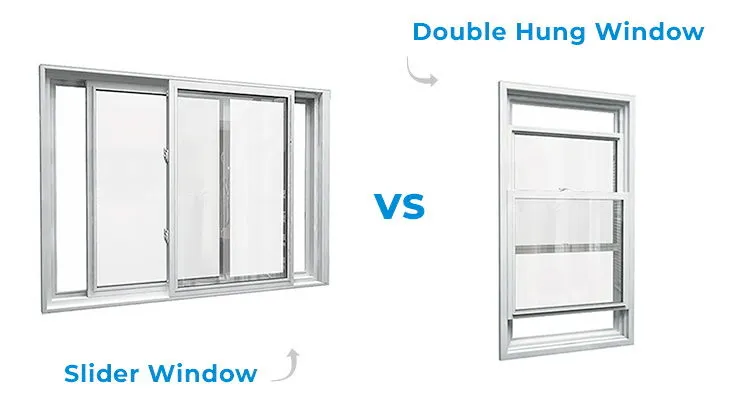
The main difference is the direction of movement. A single-hung window has a fixed upper sash and a movable lower sash. A sliding window opens horizontally along a track.
How Single-Hung Windows Work
A single-hung window opens by raising the lower sash. The upper sash stays fixed. This design is often used in bedrooms, traditional homes, and residential buildings with taller window openings.
Single-hung windows are available in different frame materials, including aluminum and vinyl (UPVC). Aluminum frames are often considered for custom residential projects where frame design, durability, and finish options are important.
Single-hung and double-hung windows should not be confused. A double-hung window has two movable sashes, while a single-hung window only opens from the bottom.
How Sliding Windows Work
Sliding windows open from side to side. Depending on the design, one or more sashes move horizontally within the frame.
This opening method works well for wider wall openings. It also avoids the outward swing required by casement windows.
Aluminum sliding windows are often used in modern homes, apartments, and townhouse developments. Their horizontal layout can suit wide glass areas and contemporary building designs.
Single-Hung vs Sliding Windows: Key Differences
Single-hung and sliding windows offer similar space-saving benefits, but their operation, proportions, cleaning requirements, and maintenance needs are different.
| Feature | Single-Hung Windows | Sliding Windows |
|---|---|---|
| Opening Style | Bottom sash moves vertically | Sash moves horizontally |
| Best Opening Shape | Tall and narrow | Wide and horizontal |
| Ventilation | Air enters through the lower opening | Air enters through a side opening |
| Exterior Clearance | No outward swing | No outward swing |
| Operation | Lift the lower sash | Move the sash sideways |
| Cleaning | Fixed upper sash may be harder to reach | Track cleaning is important |
| Maintenance | Sash balance and seals | Tracks, rollers, and seals |
| Appearance | Traditional vertical proportions | Modern horizontal proportions |
| Common Applications | Bedrooms, townhouses, traditional homes | Living rooms, kitchens, wide openings |
These are general differences between the two opening styles. Actual performance depends on the window system, glass configuration, installation, and project requirements.
Ventilation, Energy Efficiency, and Daily Operation
Neither window style is better in every situation. A useful comparison looks at the actual opening area, tested window performance, and how easily occupants can operate the sash.
Ventilation and Opening Area
Both single-hung and sliding windows usually provide a partial opening rather than opening the entire window area.
In a typical single-hung design, the lower sash moves upward while the upper sash remains fixed. In a common two-panel sliding window, one sash moves sideways across the other panel.
The available ventilation area depends on the number of movable sashes, frame dimensions, and opening configuration. A sliding window does not automatically provide more airflow just because it is wider.
For bedrooms and other occupied rooms, ventilation should be considered together with safety and local building requirements. Where an emergency escape opening is required, the actual net clear opening must meet the applicable code.
Energy Efficiency and Air Sealing
Neither single-hung nor sliding windows are automatically more energy efficient. The frame, glass, seals, and installation determine the final performance.
For aluminum window systems, thermal break design can help reduce heat transfer through the frame. Insulated glazing, Low-E coatings, and properly designed weather seals also influence performance.
Instead of judging energy efficiency by opening style alone, compare the whole-window U-Factor, SHGC, and air leakage test results for the actual product configuration.
If you are unsure how to compare these ratings, our U-Factor, SHGC, and Design Pressure guide explains what they mean for residential projects.
Ease of Operation
Sliding windows may be easier to use when moving a sash sideways is more comfortable than lifting it. Single-hung windows are practical when the lower sash is easy to reach.
However, sash weight, hardware condition, and installation alignment matter for both styles. A poorly adjusted sliding sash can be difficult to move, while a properly balanced single-hung sash should open smoothly and stay in position.
For windows installed above counters or in other hard-to-reach locations, check the handle position and operating force before selecting a window style.
Which Window Works Best in Different Rooms?
Window location is often more important than appearance alone. Single-hung windows generally suit vertical openings, while sliding windows are more practical for wider layouts.
Both styles can be used throughout the same home. Choosing different opening types for different rooms is often more practical than using one style everywhere.
| Application | Suggested Window | What to Consider |
|---|---|---|
| Bedroom | Single-Hung or Sliding | Opening dimensions, ventilation, and egress requirements |
| Living Room | Sliding | Wide views and horizontal wall openings |
| Kitchen | Sliding or Single-Hung | Reachability and operation above counters |
| Bathroom | Either | Privacy, ventilation, and glass selection |
| Basement | Often Sliding | Wide, low openings and local egress requirements |
| Traditional Home | Single-Hung | Vertical proportions and architectural consistency |
| Townhouse | Both | Room layout, elevations, and project specifications |
| Multifamily Project | Both | Standardized sizes, maintenance, and approved window schedules |
Bedrooms and Traditional Homes
Single-hung windows are often a natural fit for bedrooms with tall, narrow openings. Their vertical shape also works well with traditional residential architecture.
Sliding windows can work equally well in bedrooms with wider openings. Where a window must serve as an emergency escape opening, the final selection must meet local code requirements rather than rely on the window style alone.
Living Rooms and Kitchens
Sliding windows are often a good option for living rooms with wide wall openings. They can provide horizontal views without requiring space for an outward-opening sash.
In kitchens, the better option depends on the window location. A sliding sash may be convenient above a counter, but the actual handle location and operating distance should be checked.
Townhouses and Multifamily Buildings
For townhouse and multifamily developments, using both styles can help match window proportions to different rooms while maintaining a consistent exterior design.
Builders also need to consider repeatable window sizes, cleaning access, maintenance, and energy performance across the project.
For a more detailed look at residential window selection, see our guide to choosing aluminum windows for townhouse developments .
Window Replacement Cost and Long-Term Value
Neither single-hung nor sliding windows are always cheaper. The final cost depends on the frame material, window size, glass, hardware, installation, and number of units.
Single-hung vinyl windows are commonly considered for residential replacement projects. Custom aluminum single-hung and sliding windows may be selected for new construction or projects with specific design and performance requirements.
What Affects Replacement Window Prices?
A replacement window quote should account for more than the window itself. Removing the existing frame, repairing the surrounding opening, and installing the new window can significantly change the total cost.
When comparing prices, ask suppliers to quote the same frame material, approximate size, glass performance, finish, and installation scope.
| Cost Factor | What to Check |
|---|---|
| Frame Material | Aluminum, vinyl, or other frame systems |
| Window Size | Standard dimensions or custom manufacturing |
| Glass | Glazing configuration and required performance |
| Hardware | Operating and locking components |
| Installation | New construction or existing window replacement |
| Project Quantity | Individual replacement or bulk project order |
| Delivery | Freight, packaging, and delivery location |
For example, a factory quote for a custom aluminum window is not directly comparable with a local replacement quote that includes removal, installation, and finishing work.
The best replacement windows for the money are those that meet the required performance and fit the installation conditions without unnecessary upgrades.
For builders and developers, long-term value also includes durability, ease of maintenance, consistent quality, and the availability of suitable replacement components through the supplier.
Common Limitations and Maintenance Requirements
Both window types have practical limitations. Understanding them before ordering helps avoid operation, cleaning, and maintenance problems later.
Sliding Window Limitations
The main disadvantages of sliding windows are the need to keep tracks clean, limited opening area in some configurations, and potential difficulty cleaning fixed glass panels.
Dust and debris can collect inside tracks and affect movement or drainage. Rollers and other operating components may also require maintenance over time, depending on the system.
Before purchasing, check that the sash moves smoothly, the drainage path is clear, and the exterior glass can be cleaned safely.
Single-Hung Window Limitations
Single-hung windows only open from the bottom. This limits ventilation control compared with double-hung windows, where both sashes can move.
Cleaning the outside of the fixed upper sash may also be difficult on upper floors. Not every single-hung window has a tilt-in or removable sash, so cleaning access should be confirmed before ordering.
The movable lower sash also depends on its balance mechanism. If the balance system becomes worn or incorrectly adjusted, the sash may become difficult to operate or fail to stay open.
Comparing With Other Window Styles
If neither vertical nor horizontal sliding fits the project, a casement window may be worth considering. Casement windows open outward on side hinges and can provide a different opening area and sealing method.
Our casement vs sliding windows comparison explains when an outward-opening window may be a better choice.
Selecting Windows for Residential and Multifamily Projects
For builders and developers, the right window must fit the opening and meet the project specifications. Choosing by style or price alone is not enough.
Start with the architectural drawings and confirm the intended opening type for each room. The window schedule should identify the window marks, quantities, dimensions, glass requirements, and relevant performance specifications.
Next, check whether each opening works with the selected frame system. For single-hung windows, consider sash height and lifting operation. For sliding windows, review horizontal sash movement, track design, and available wall width.
Performance requirements also need to match the project location. Depending on the building, this may include energy ratings, structural performance, water resistance, air infiltration, and applicable local codes.
Before requesting a quotation, confirm:
- Window location and opening dimensions.
- Single-hung or sliding operation.
- Frame material and finish.
- Glass and performance requirements.
- Quantity and project delivery location.
- Installation details and required approvals.
If your project already has architectural drawings, reviewing the window schedule is the next step. Our guide to reading a window schedule explains how to organize sizes, quantities, opening types, and specifications before ordering.
AMJ supplies customized aluminum windows and doors for residential and commercial developments. Our team can review project drawings, window configurations, and glass requirements before preparing a quotation.
FAQ: Single-Hung vs Sliding Windows
Are single-hung or slider windows better?
Single-hung windows are generally better for tall, narrow openings and traditional home designs. Sliding windows are often better for wide openings and convenient horizontal operation. Compare the actual size, ventilation, performance, and maintenance needs before choosing.
What are the disadvantages of sliding windows?
Sliding windows can collect dirt in their tracks and may require roller maintenance. Some configurations also have limited opening areas, and fixed panels can be harder to clean from outside.
What are the best replacement windows for the money?
The best value comes from windows that meet the required performance at a reasonable total installed cost. Compare frame material, whole-window ratings, installation, maintenance, and warranty instead of choosing by purchase price alone.
What are the disadvantages of single-hung windows?
Only the lower sash opens, so ventilation options are limited. The fixed upper sash may be difficult to clean from outside, and the sash balance system can require maintenance over time.
What is the average cost to replace a single-hung window?
There is no single reliable average for every project. Replacement costs vary by location, window size, frame material, glass, labor, and the condition of the existing opening. Compare local installed quotes using the same specifications.
Are single-hung windows more energy efficient than sliding windows?
Not necessarily. Both styles can provide good energy performance when properly designed and installed. Compare the actual whole-window U-Factor, air leakage performance, and glass configuration rather than the opening style alone.
Which window style is easier to maintain?
Both require maintenance. Sliding windows need clean tracks and properly functioning rollers. Single-hung windows need working sash balances and weather seals. Cleaning access depends on the specific window design.
Final Recommendation: Single-Hung or Sliding Windows?
Choose single-hung windows for vertical openings and traditional residential designs. Choose sliding windows for wider openings and rooms where horizontal operation is more practical.
For larger residential projects, both window styles can work together. The final decision should be based on window dimensions, room use, energy performance, maintenance access, and project budget.
Whether you are comparing aluminum single-hung windows or aluminum sliding windows, confirm the specifications before placing an order. A well-matched window system is more valuable than choosing one opening style for every room.
Choosing Windows for Your Next Project?
AMJ provides custom aluminum window and door solutions for builders, contractors, developers, and importers. Send us your drawings, BOQ, or window schedule to discuss suitable window configurations and receive a project quotation.